
Understanding Risk Matrices: When 3×3 Is Enough and When 5×5 Is Better
In project delivery and operational risk management, tools that reduce ambiguity and enable disciplined decision-making are worth their weight in gold. Among these, the risk matrix is one of those simple visual instruments that, when used thoughtfully, has a way of clarifying priority and action in environments where ambiguity and uncertainty otherwise reign. A risk matrix—at its core—is a grid that compares the likelihood of a risk event occurring against the severity of its impact, producing a score or category that helps teams decide what to address first and what to monitor more passively.
Not all risk matrices are created equal. You’ll often see 3×3 and 5×5 formats discussed, and the practical choice between them matters because it shapes both the quality of insight and the effort required to produce it.
When a 3×3 Risk Matrix Makes Sense
A 3×3 risk matrix is the minimalist’s approach. At a glance it offers nine cells that combine three levels of likelihood with three levels of impact. For teams that are early in their risk practice or projects that are relatively straightforward—think small scale, few moving parts, or limited external dependencies—the simplicity of a 3×3 enables swift, high-level prioritisation without unnecessary overhead.
Because there are fewer categories, the scoring process becomes quick and intuitive: risk events typically fall into broad bands such as low, medium, or high. For smaller delivery teams or workshops where you want to foster alignment without fatigue, this can be exactly the right choice. You don’t need precision; you need shared understanding. That is the strength of a 3×3 matrix.
When Organisations Prefer a 5×5 Matrix
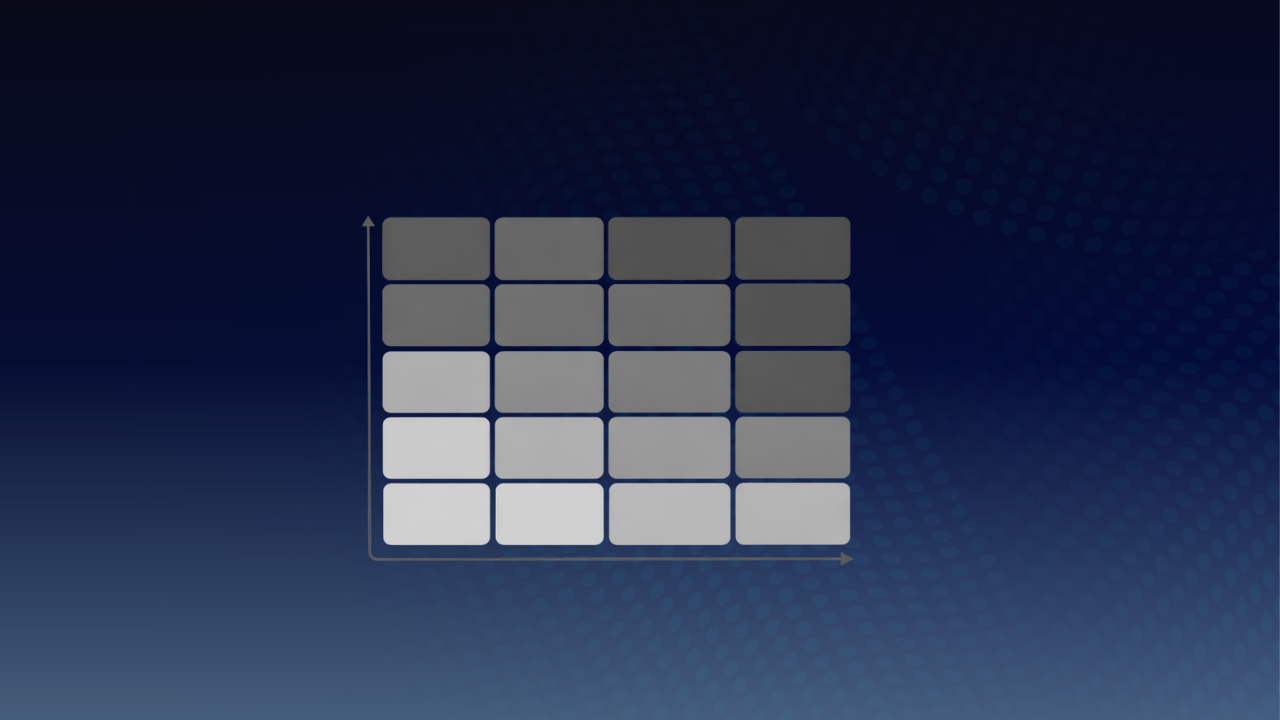
Contrast that with a 5×5 risk matrix, where you have 25 possible cells—five levels of likelihood against five levels of impact. This format is often treated as the “standard” in more formal risk management disciplines precisely because it preserves nuance without overwhelming detail.
In practice, the 5×5 format enables you to differentiate between risks that are “moderately likely with moderate impact” and those that are “likely with major impact” in a way that meaningfully influences mitigation strategy. Where projects have a broad risk landscape or where stakeholders expect a more granular prioritisation, a 5×5 matrix helps prevent the clustering that can occur when everything falls into the same mid-range category. It also supports colour coding and scoring that teams can use in dashboards and live reporting.
Large programmes, regulated industries, and organisations with formal risk committees often choose this size because it balances clarity with detail. The additional resolution enables more defensible decisions about where to invest risk-reduction effort and where to accept residual risk.
Choosing Between 3×3 and 5×5: Fit for Purpose
The decision isn’t about one being objectively “better” than the other, but rather about fit for purpose.
- A 3×3 format suits early planning phases, low-complexity engagements, or teams seeking rapid alignment on a handful of risks with limited data.
- A 5×5 format works when the risk landscape has multiple dimensions—when timing, cost, regulatory penalties, safety concerns and stakeholder expectations all matter—and where a bit more nuance directly serves prioritisation and mitigation planning.
In both cases, the risk matrix does its job only when the scales and descriptors are clearly defined and consistently understood. Whether you are using three labels from Low to High or five from Rare to Almost Certain for likelihood, and from Negligible to Catastrophic for impact, grounding those categories in real organisational language prevents confusion and makes the tool actionable.
Context Matters More Than Grid Size
A risk matrix isn’t a silver bullet; it’s a lens. Its value comes from the discipline you bring to defining risks, assessing them honestly, and engaging the right people in the scoring exercise. Too simple a matrix can mask meaningful differences, and too detailed a one can create false precision. The pragmatic choice—whether 3×3 or 5×5—comes down to your project’s complexity, stakeholder expectations, and the level of granularity you need to make decisions that stick.